
7 Period Hygiene Habits Every Woman Should Know
Maintaining good period hygiene is an important part of menstrual health and everyday well-being. From choosing the right sanitary pads to following a comfortable menstrual care routine, small habits can help women and girls manage their periods with greater confidence.
However, period hygiene is not just about using menstrual products. It also involves keeping the external intimate area clean, changing sanitary pads regularly, disposing of used products responsibly and understanding your menstrual cycle.
Whether you are experiencing your first period or have been managing menstruation for years, developing healthy period hygiene habits can make menstrual care easier and more comfortable.
In this guide, we explore seven essential menstrual hygiene tips, explain how to use sanitary pads appropriately and share practical advice for maintaining personal hygiene during periods.
1. Change Your Sanitary Pads Regularly
One of the most important period hygiene habits is changing your sanitary pad regularly. Menstrual blood, moisture and friction can contribute to discomfort and skin irritation when a pad is worn for too long.
Disposable sanitary pads should generally be changed every few hours, depending on your menstrual flow, comfort and the manufacturer’s instructions. Many people find that changing a pad around every four to six hours works for them, but it may need to be changed sooner if it becomes wet or saturated.
Tips for better sanitary pad hygiene:
- Check your pad periodically throughout the day.
- Change it sooner if it feels wet, uncomfortable or saturated.
- Carry extra sanitary pads when travelling, attending school or going to work.
- Choose an absorbency level suitable for your menstrual flow.
- Follow the product instructions for recommended use.
On heavier-flow days, you may need to change your pad more frequently. Avoid waiting until it is completely soaked.
If you regularly soak through a pad every one to two hours, seek advice from a healthcare professional, as this may indicate unusually heavy menstrual bleeding.
2. Maintain Proper Hand Hygiene During Periods
Handwashing is a simple but essential menstrual hygiene practice. Your hands touch multiple surfaces throughout the day, so washing them helps reduce the transfer of germs when handling menstrual products.
Before changing a sanitary pad, wash your hands with soap and clean water. Carefully remove the used pad, dispose of it appropriately and position a fresh pad in your underwear. Wash your hands again after disposal.
Follow these sanitary pad hygiene tips:
- Wash your hands before and after changing a pad.
- Avoid unnecessarily touching the absorbent surface.
- Store unused sanitary pads in a clean, dry place.
- Check that individual packaging is intact before use.
- Keep a small menstrual hygiene kit in your handbag or backpack.
Individually wrapped sanitary pads can be convenient when you are away from home because they are easy to carry and store until needed.
Making handwashing a routine helps support better personal hygiene at home, school, work and while travelling.
3. Keep Your Intimate Area Clean and Dry
Maintaining intimate hygiene during menstruation does not require complicated routines or expensive products. Gentle cleaning is usually sufficient to help you feel fresh and comfortable.
Wash the external genital area, known as the vulva, with clean water. The vagina is self-cleaning, so internal washing or vaginal douching is unnecessary. Strongly scented soaps, sprays and intimate products may irritate sensitive skin or disrupt the natural vaginal environment.
Healthy menstrual hygiene habits include:
- Gently cleaning the external genital area during your daily bath or shower.
- Wiping from front to back after using the toilet.
- Changing damp underwear when needed.
- Avoiding scented products that cause irritation.
- Wearing comfortable underwear that allows airflow.
It is normal to experience some menstrual odour because menstrual fluid mixes with natural vaginal secretions. However, a persistent strong or unpleasant odour, unusual discharge, itching or burning should be discussed with a healthcare professional.
Remember, good intimate hygiene is about gentle care rather than excessive washing.
4. Choose the Right Sanitary Pad for Your Menstrual Flow
Choosing suitable menstrual products is an important part of effective period care. Sanitary pads are a popular option because they are worn externally and are available in different sizes, shapes and absorbency levels.
The right sanitary pad depends on your menstrual flow, comfort, daily activities and personal preferences.
When choosing sanitary pads, consider the following factors:
Absorbency: Choose a product appropriate for your flow. You may need a different absorbency level on heavier and lighter days.
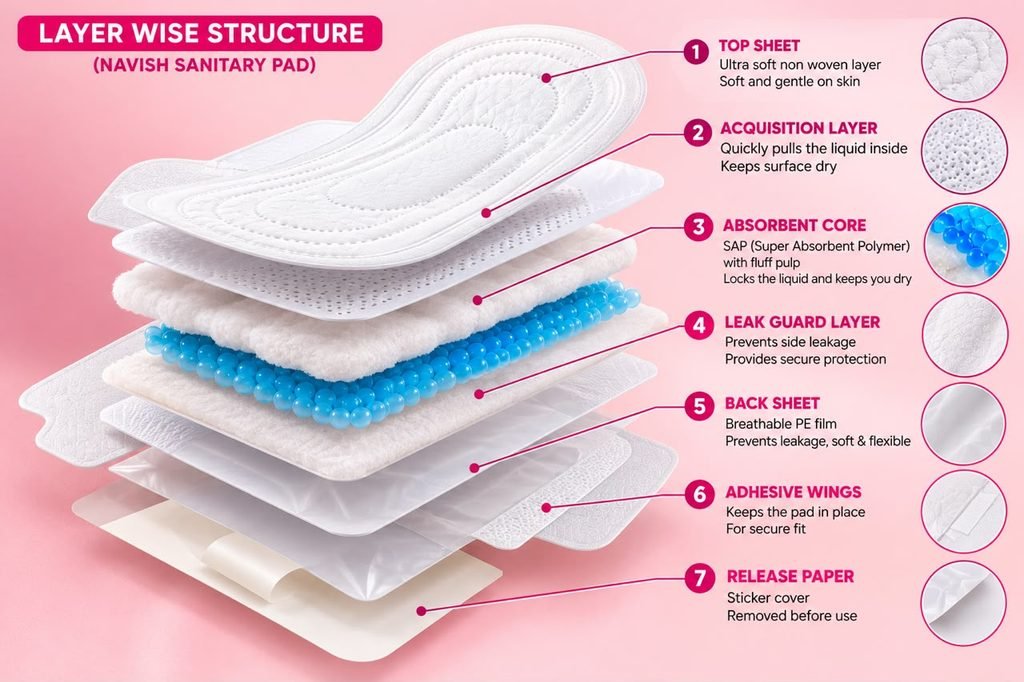
Fit and design: A well-fitting pad should feel comfortable in your underwear. Winged sanitary pads may help hold the pad in place, depending on the product’s design and fit.
Skin comfort: Stop using a product if you experience irritation or discomfort.
Individual wrapping: Individually wrapped pads can be convenient to carry in your handbag, school bag or travel pouch.
Product instructions: Follow the manufacturer’s instructions for proper use and replacement.
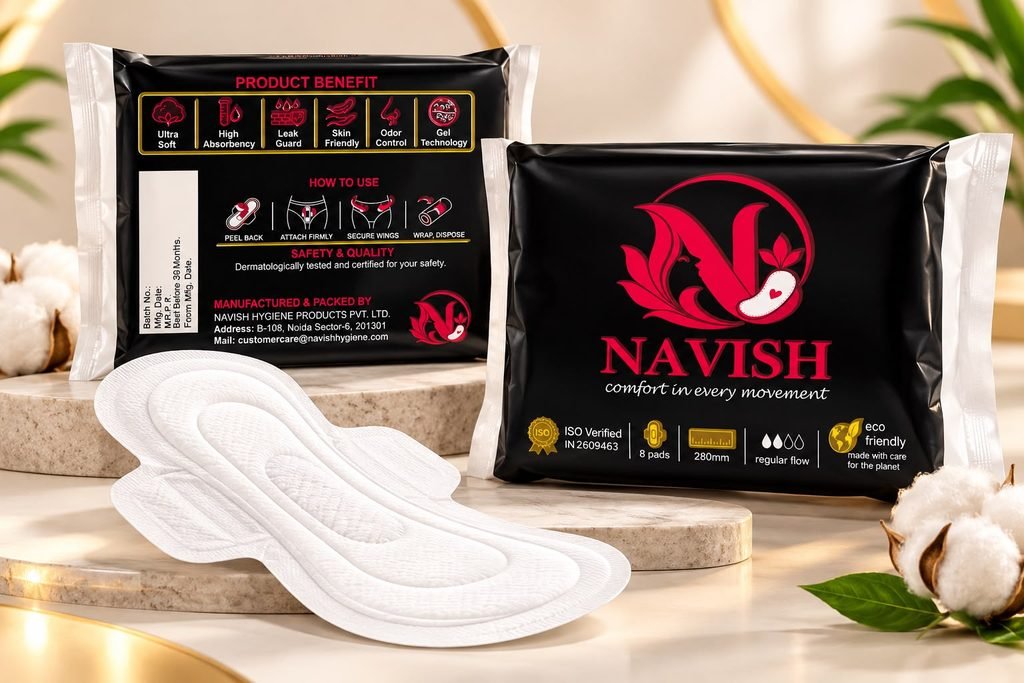
NAVISH sanitary pads are designed with a focus on everyday menstrual care, including features such as individual wrapping, a winged design and gel technology, according to the approved product specifications.
When choosing any sanitary pad, focus on the features that suit your personal needs rather than assuming that one product is ideal for everyone.
You can explore the NAVISH sanitary pad product page to learn more about the available product information and pack details.
5. Dispose of Used Sanitary Pads Responsibly
Proper sanitary pad disposal is an essential part of menstrual hygiene. Used pads should be wrapped securely before being placed in an appropriate waste bin.
Never flush sanitary pads down the toilet. They can block plumbing systems and contribute to sanitation problems.
How to dispose of sanitary pads correctly:
- Carefully remove the used pad from your underwear.
- Roll or fold it inward so that the used surface is covered.
- Wrap it in suitable paper or the product wrapper, if appropriate.
- Place it in a designated waste bin.
- Wash your hands with soap and water.
When using public washrooms, follow the facility’s waste-disposal instructions. Avoid leaving used menstrual products exposed in shared spaces.
If you use reusable menstrual products, follow the manufacturer’s cleaning, washing and drying instructions.
Responsible disposal supports cleaner washrooms, better sanitation practices and more considerate menstrual care in schools, workplaces and communities.
6. Wear Comfortable Clothing and Change Damp Underwear
Comfortable clothing can make a difference to your daily experience during menstruation. Tight clothing or damp underwear may increase friction and discomfort around the external genital area.
Choose breathable underwear and clothing that feels comfortable throughout the day. Cotton underwear is one option many people prefer, although individual preferences and skin sensitivity vary.
Simple period care tips:
- Change underwear if it becomes damp or stained.
- Carry spare underwear when travelling for long periods.
- Change your sanitary pad after exercise if it feels wet or uncomfortable.
- Avoid remaining in damp clothing for extended periods.
- Choose clothing that allows you to move comfortably.
Having your period does not mean you must stop attending school, going to work, exercising or participating in everyday activities. With suitable menstrual products and a routine that meets your needs, most daily activities can continue as usual.
If a particular sanitary pad repeatedly causes itching, redness or a rash, stop using it and seek medical advice if symptoms persist.
7. Track Your Menstrual Cycle and Recognise Changes
Understanding your menstrual cycle is another useful period hygiene habit. Tracking your period can help you prepare for upcoming menstruation, notice your usual flow pattern and recognise changes that may require medical attention.
You can use a notebook, calendar or period-tracking app to record:
- The first day of your period.
- How many days your bleeding lasts.
- Whether your flow is light, moderate or heavy.
- Symptoms such as cramps, headaches or unusual discomfort.
- Any unexpected bleeding between periods.
Period tracking can help you plan when to carry sanitary pads and other menstrual products. It can also provide useful information if you need to discuss your menstrual health with a healthcare professional.
Menstrual cycles naturally vary from person to person. However, consult a healthcare professional if your periods regularly last longer than seven days, your bleeding is unusually heavy, your pain interferes with daily activities or you experience persistent bleeding between periods.
Seek urgent medical care if severe pain, fainting or heavy bleeding accompanied by weakness or breathlessness occurs.
Remember, tracking your cycle is not about judging your body. It is about understanding your normal pattern and paying attention to changes.
Common Period Hygiene Mistakes to Avoid
Even when you follow a regular menstrual care routine, a few common mistakes are worth avoiding.
- Wearing a pad for too long: Change it regularly and whenever it becomes wet or saturated.
- Using scented products unnecessarily: Fragrances can irritate sensitive skin.
- Washing inside the vagina: Internal cleansing is unnecessary and may disturb its natural balance.
- Flushing sanitary pads: Always dispose of used pads in a suitable waste bin.
- Ignoring unusual symptoms: Persistent itching, unusual discharge, severe pain or unusually heavy bleeding deserves medical attention.
- Feeling embarrassed about menstruation: Periods are a normal biological process, and asking questions about menstrual hygiene is completely appropriate.
Following simple sanitary pad hygiene tips can help make everyday period care more manageable without unnecessary products or complicated routines.
How NAVISH Supports Everyday Menstrual Care
Menstrual hygiene involves more than choosing a product. It includes access to accurate information, suitable menstrual products, responsible disposal practices and open conversations about periods.
NAVISH focuses on everyday menstrual care, with attention to comfort, absorbency, secure fit and convenient individual wrapping, subject to the final approved product specifications.
Individually wrapped sanitary pads can be practical for carrying in a handbag, school bag or travel pouch. Understanding how to use and dispose of menstrual products appropriately is equally important.
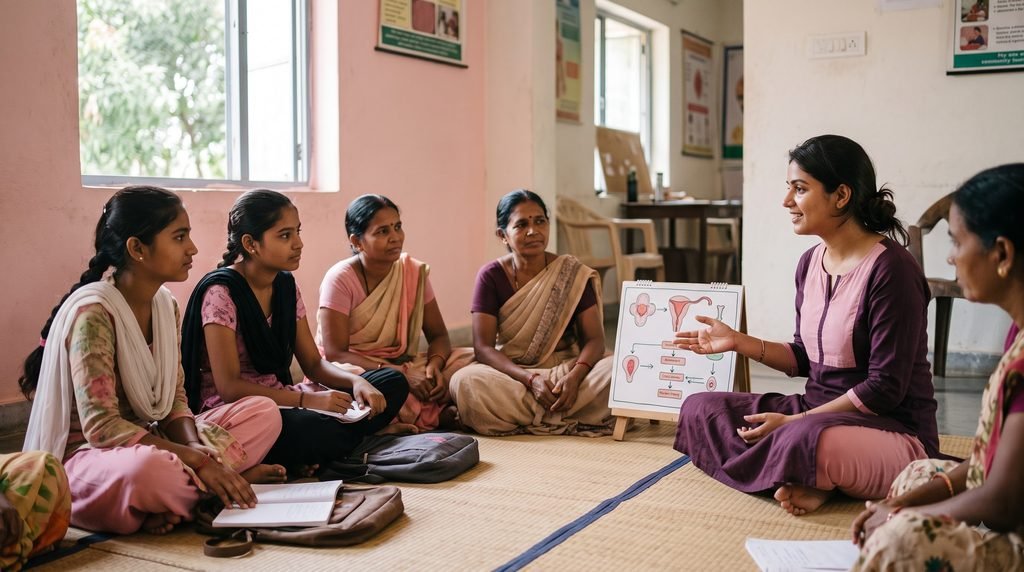
Menstrual hygiene awareness also has an important role in schools, workplaces and communities. Access to reliable information can help women and girls make informed choices and feel more confident discussing their menstrual health.
Through its menstrual hygiene and social-impact initiatives, NAVISH aims to contribute to conversations about awareness, product access and responsible menstrual care. The specific scope of any initiative depends on the programme and arrangements agreed with participating organisations.
You can visit the NAVISH CSR & Social Impact page to learn more about its approach to menstrual hygiene initiatives and potential collaborations.
Conclusion
Good period hygiene begins with small, consistent habits. Changing sanitary pads regularly, washing your hands, cleaning the external intimate area gently, choosing suitable menstrual products, disposing of used pads responsibly, wearing comfortable clothing and tracking your cycle can help you manage your period with greater confidence.
Every woman’s menstrual experience is different, so choose a routine that suits your needs and pay attention to changes in your body.
At NAVISH, we believe menstrual care should be approached with thoughtfulness, comfort and awareness. By sharing reliable menstrual hygiene information and encouraging open conversations about periods, we can help make everyday period care easier to understand.
Your period is natural. Your comfort matters. And good menstrual hygiene starts with informed choices.
Health disclaimer: This article is for general educational purposes and is not a substitute for professional medical advice. Consult a qualified healthcare professional if you have concerns about your menstrual health.